
Searching Houston County Criminal Dockets
Begin with the Houston County Benchmark search. It covers Superior, State, and Magistrate divisions. Before searching, gather the full name, the birth year when known, a case or citation number, and the likely court. A narrow division filter helps here. It keeps a traffic record from being mistaken for a felony case in the docket results.
- Open Benchmark and choose the court type or criminal division.
- Search by case number when available; otherwise use name and birth year.
- Try citation, warrant, SAO, or arresting-case number when it appears on the paperwork.
- Compare case type, division, dates, and parties before opening a match.
- Contact the correct clerk for a filed motion, order, or certified copy.
For State Court matters older than September 1, 2017, the county's legacy routing page is the right stop. Nothing appearing in a browser? Call the criminal desk or use a public terminal. City citations stay with the municipal court, and Juvenile Court follows its own access rules.
Houston Criminal Division Codes
Benchmark sorts records with division codes. SUPCR marks Superior criminal, STCR State criminal, STTR State traffic, MAGCR Magistrate criminal, and UNIND unindicted matters.
- SUPCR
- Superior felony and other general-jurisdiction criminal work.
- STCR
- State Court misdemeanor cases.
- STTR
- State Court traffic cases.
- MAGCR
- Magistrate criminal and warrant work.
- UNIND
- A routing label, not proof of guilt or indictment.
The code tells you the division. Read the docket events and disposition, then verify the record with the clerk.
Inside a Houston County Criminal Docket
A public criminal docket organizes identifiers and events in one place. Benchmark exposes the search fields, but it offers no full sample register.
| Case Number | The court identifier; it is not a disposition. |
|---|---|
| Division | SUPCR, STCR, STTR, MAGCR, or UNIND routing. |
| Charge or Statute | The alleged offense used to narrow a search. |
| Setting | Arraignment, motion day, calendar call, plea day, or trial block. |
| Filing or Order | An indexed event whose document may require a terminal or clerk request. |
| Disposition | The recorded outcome, subject to confirmation from the file. |
Warrant, SAO, arresting-case, and citation numbers help you search. None of them shows how the Houston County case ended.
Houston Criminal Desk Contacts
The Clerk of Superior Court keeps felony motions, orders, and criminal papers. The criminal line is 478-218-4730. For Superior scheduling, criminal case manager Selena English is listed at 478-218-4849. Use the clerk for records. Use the manager for a Superior setting.
State misdemeanors and State traffic sit with the separate State Court Clerk. The official State Court Clerk page describes that office's duties and its redaction notice.
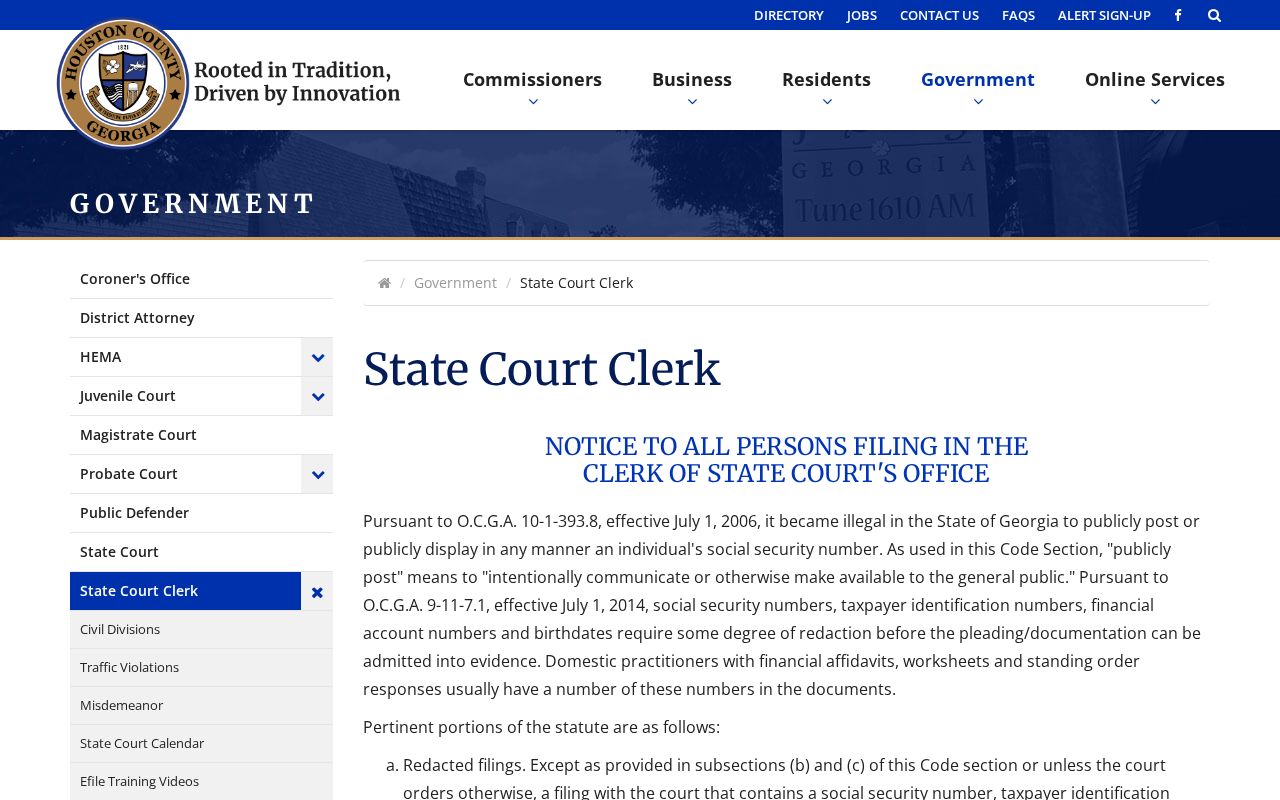
That page warns filers, not the clerk, to remove protected personal identifiers from submissions.
How a Criminal Case Moves
Docket flow: Warrant or Citation › Arraignment › Discovery and Motions › Calendar Call › Plea or Trial › Disposition › Sentencing
Houston calendars name each step. Motion Day handles motions. Calendar Call manages the trial list. Final Plea Day is a later plea milestone, and Trial Week is a block of time rather than a promise that each case will be tried. Read the setting label before assuming anything.
An accepted electronic filing gets a stamp date and time after clerk review under the 2025 order. A rejected one is not official until it is corrected and resubmitted.
Houston Warrant Number Caution
A warrant number is searchable, but it says nothing about how a case ended. Guidance from the prior system explained something odd. A criminal case number could be assigned when a warrant was served before a district attorney filing or indictment. Houston County changed systems in 2025. Treat that history with care. Do not overread an identifier.
Myth: a case number proves indictment or guilt. Fact: the number routes a file; docket events and the court disposition state what occurred.
A warrant search can come back empty. In that case, ask Magistrate Court or the criminal clerk whether the record is held elsewhere, is older, or has access limits.
Courts That Hold Criminal Dockets
| Court | Criminal work | Access |
|---|---|---|
| Superior | Felonies | SUPCR, terminal, clerk |
| State | Misdemeanors and traffic | STCR or STTR, State clerk |
| Magistrate | Warrants and lower-level matters | MAGCR, counter, 478-987-4695 |
| Municipal | City citations and ordinances | City portal and clerk |
| Juvenile | Youth proceedings | Juvenile clerk, restricted by law |
Georgia has no single statewide case register. Its e-access directory routes users, but it does not replace Benchmark or a Houston County clerk.
Houston Juvenile Docket Limits
Youth cases follow a separate confidentiality framework, and the Houston County Juvenile Court page lays out its jurisdiction and access rules.
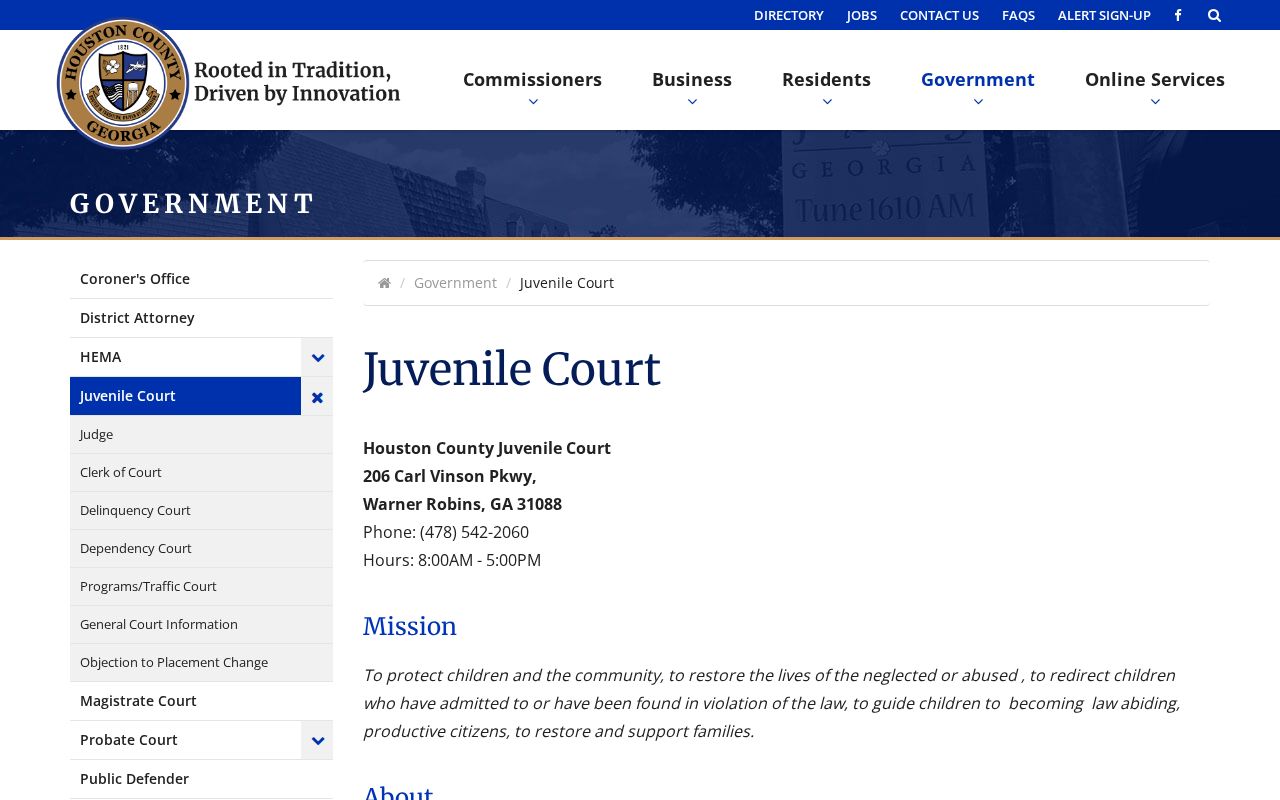
The youth court is the right place to confirm procedure. A blank public result does not mean protected details can be inferred. O.C.G.A. § 15-11-704 supplies the confidentiality reference. Ask what public portion, if any, can be released.
Houston Criminal Terminal Fallback
Benchmark is only the first channel. The 2025 order permits public terminals for nonrestricted electronic documents. It states that the electronic service transaction fee for them is zero. A terminal may give permitted access that an unauthenticated browser cannot. The clerk counter, a direct phone line, mail, and a focused written request remain alternatives.
Match the route to the matter. An older State case calls for the legacy route. It also merits a phone call. A warrant points to Magistrate or the criminal clerk, and a city offense belongs with the municipal clerk. Ask whether Benchmark registration, terminal use, mail, or an in-person request is needed. The county offers no bulk criminal docket service.
Sealed Dockets and Public Access
Ordinary Houston County criminal entries may be public. Sealed, restricted, juvenile, in-camera, ex parte, and protected material does not surface like a routine result. A missing attachment can reflect access, age, transfer, or login limits rather than a seal.
Key Rules:
Uniform Superior Court Rule 21 requires a defined order and balancing process to limit Superior access.
Georgia Open Records Act guidance explains written requests but cannot override a seal or confidentiality law.
Georgia Code access provides current juvenile and record-restriction statutes.
The Georgia Code source is shown below.
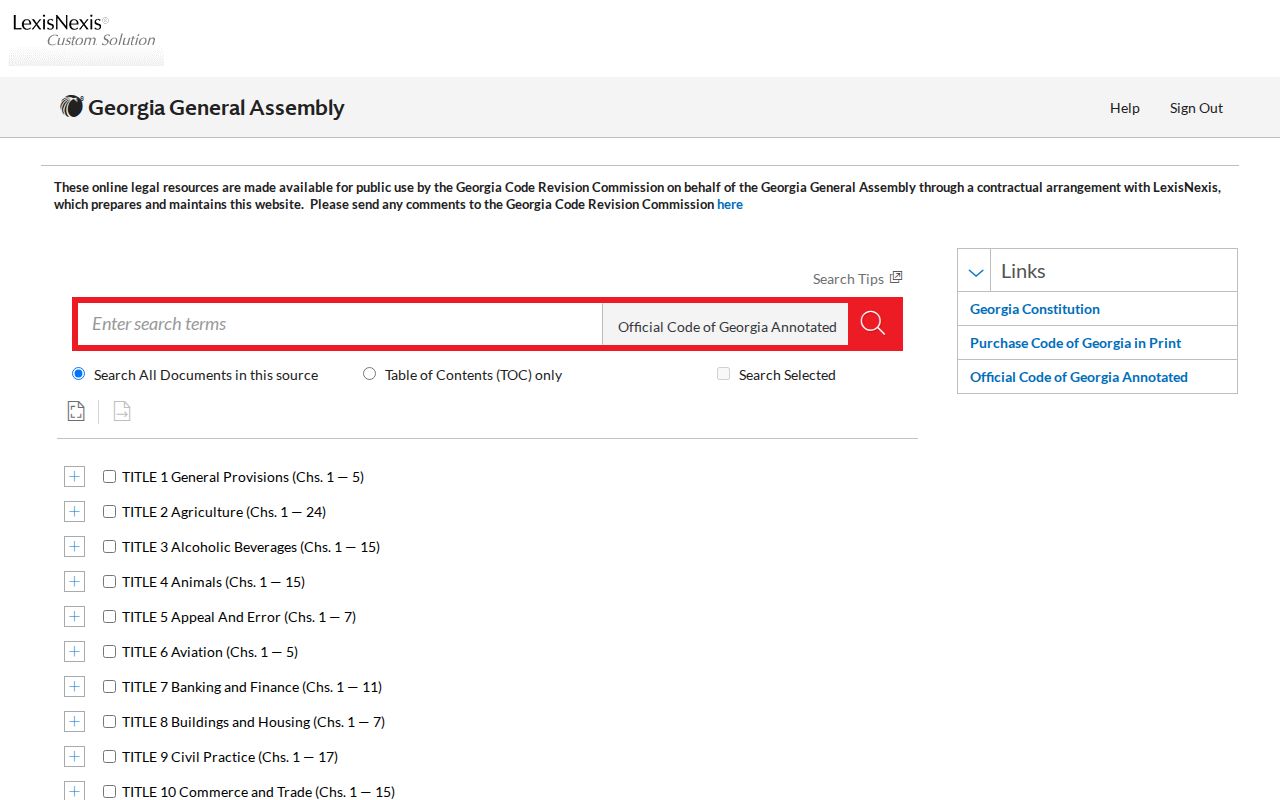
Request the public portion and verify it with the originating clerk.
Houston State Traffic Branch
State traffic cases in Houston County run through Benchmark under the case code STTR. The rules differ from a standard misdemeanor docket. Houston State Court treats several offenses as mandatory appearances. These include DUI, reckless driving, racing, controlled-substance cases, no insurance, fleeing or eluding, suspended-license driving, and suspended registration. Seeing a payment button never grants permission to skip a required court date.
Is your citation eligible for a guilty plea? Official instructions then let you handle it in person, online, by mail, or on the citation date. Mailing has strict conditions. Send the signed yellow ticket copy. Postmark it no later than the court date and skip personal checks entirely. Expect delays too. A ticket can take 30 days to move through sheriff, solicitor, and clerk review. If no result has appeared yet, the printed date still stands.
Super Speeder money goes to the Georgia Department of Driver Services, not Houston State Court. That assessment sits outside the judge's control. The court docket and your DDS driver record are separate documents kept by separate offices. For payment routing, dates, and appearance rules, use Houston County Traffic Tickets.
Treat each STTR arraignment, plea, or trial entry as one step. It is a procedural move in the criminal docket. Confirm the final outcome with the State Court Clerk. Payment status alone, or a missing outstanding-citation result, cannot tell you how the case ended.
Houston Criminal E-Filing Stamp
Houston Superior and State Courts switched their criminal e-filing to Pioneer Technology Benchmark in November 2025. Two official documents give different November start dates, so trust the live clerk notice over the filing order. Attorneys and approved filers submit through Benchmark. Everyone else can search it online or use a courthouse terminal.
What does the electronic stamp mean? It marks clerk acceptance. An uploaded document that gets rejected has never become an official Houston County criminal filing. When timing is critical, ask the clerk for the docket entry or the stamped copy. A sender's upload receipt proves nothing.
Special categories follow separate rules under the filing order. Sealed or restricted filings, in-camera material only the judge reviews, ex parte filings made without the other side present, pauper filings, and certain bond-validation papers may stay on paper or move through another controlled process. Such papers rarely show up in an ordinary Benchmark view. That absence does not mean the clerk rejected them. Before assuming anything, ask the criminal division which access rule applies.
Registration and public search serve different purposes. A self-represented party must register, then send the appropriate clerk a name, case number, and a request to be added to the case. The Superior Clerk page promises access by 5:00 p.m. on the next business day, with login confirmation after submission. That enrollment gives a party electronic case access. It does not unlock protected criminal records for the public.
Service and deadlines are distinct questions. Benchmark service counts for covered electronic filings under the order, but uploading to the system never extends a deadline. Keep the accepted stamp. Compare it against the Houston County criminal docket entry. If the two do not match, contact the clerk. That simple sequence builds a reliable filing history without guessing from a pending upload or an older PeachCourt link.